
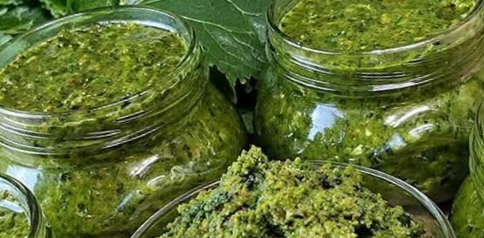
Mulberry trees are often recognized for their sweet, juicy berries, but their green leaves have also been valued in traditional food and wellness practices for generations. What many people overlook is that mulberry leaves contain naturally occurring plant compounds, including polyphenols and other antioxidants, making them an interesting addition to a balanced lifestyle.
One of the most common ways to use fresh mulberry leaves is to prepare them as a simple herbal infusion. Start by selecting several young, healthy mulberry leaves from a tree that has not been treated with pesticides or other chemicals. Wash the leaves thoroughly under clean running water to remove dust and surface residue.
Place the cleaned leaves in a saucepan with approximately two cups of water. Bring the water to a gentle boil, then reduce the heat and allow the leaves to simmer for around 5–10 minutes. Turn off the heat and let the infusion rest for a few minutes before straining it through a fine sieve.
The resulting tea has a mild herbal flavor and can be enjoyed warm or allowed to cool. Some people add a small amount of lemon or honey for flavor, although honey should be used moderately because it adds sugar.
Mulberry leaves have attracted scientific interest because certain compounds found in them may influence carbohydrate digestion and glucose metabolism. This is one reason mulberry leaf products are sometimes discussed in connection with blood sugar management. However, drinking mulberry leaf tea should not be considered a treatment for diabetes or a substitute for prescribed medication.
For people concerned about blood sugar, the most effective approach remains a combination of a balanced diet, regular physical activity, maintaining a healthy weight, monitoring glucose when appropriate, and following medical advice.
Mulberry leaves also contain antioxidants that may help protect cells from oxidative stress. Antioxidants are naturally present in many plant foods, and regularly consuming a variety of fruits, vegetables, herbs, and whole foods is a practical way to increase dietary diversity.
Another interesting feature of mulberry leaves is their nutritional profile. They contain various vitamins, minerals, fiber, and plant compounds, although the exact amounts can vary depending on the variety of mulberry tree, growing conditions, and preparation method.
Fresh young leaves can also be incorporated into cooking when the particular mulberry species is positively identified and known to be edible. They may be cooked similarly to other leafy greens, although washing and proper cooking are important.
The green gel-like food shown in the image should not be assumed to be a concentrated medicinal preparation simply because it is made from mulberry leaves. Homemade preparations can vary significantly in strength and ingredients, and there is no established recipe that can guarantee specific health effects.
It is also important to correctly identify the tree before using its leaves. Several plants can have similar-looking foliage, and wild plants may be exposed to pesticides, animal waste, pollution, or other contaminants. Never consume leaves from an unidentified plant.
People taking medication for diabetes should be particularly careful with mulberry leaf supplements or concentrated extracts because products that affect glucose metabolism could potentially contribute to low blood sugar when combined with glucose-lowering medication.
Pregnant or breastfeeding individuals, children, and people taking several medications should consult a healthcare professional before regularly consuming concentrated herbal preparations.
For everyday wellness, the simplest approach is often the best: enjoy properly identified mulberry leaves as an occasional food or mild traditional tea rather than treating them as a miracle cure.
The real “treasure” of mulberry leaves is their combination of culinary versatility and naturally occurring plant compounds. When used safely and sensibly, they can be an interesting addition to a varied diet while complementing—not replacing—good nutrition, regular exercise, and appropriate healthcare.
Enjoy.