
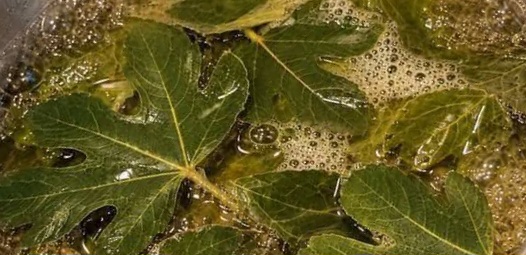
When people think about the fig tree, the fruit is usually the first thing that comes to mind. Sweet, soft, and naturally flavorful, figs have been enjoyed for generations. But the fruit isn’t the only part of the tree that has attracted attention.
Fig leaves have also been traditionally used in cooking and in homemade herbal preparations. Their mild, earthy aroma makes them suitable for infusions, and they can be incorporated into certain dishes.
However, it is important to separate traditional uses from medical claims. Fig-leaf tea should not be presented as a treatment for diabetes, high blood pressure, kidney disease, or other medical conditions.
Why Are Fig Leaves Interesting?
Fresh fig leaves contain various plant compounds, including polyphenols and other antioxidants. The exact nutritional composition can vary depending on the fig variety, growing conditions, and maturity of the leaves.
Traditionally, people have used fig leaves in several ways, including:
- Herbal infusions
- Cooking and wrapping foods
- Flavoring certain dishes
- Traditional household preparations
The leaves have a distinctive green, slightly nutty aroma that becomes more noticeable when they are heated.
How to Make a Simple Fig Leaf Infusion
If you have correctly identified a fig tree and the leaves have not been exposed to pesticides or other chemicals, you can make a simple infusion.
Ingredients
- 3–5 fresh, clean fig leaves
- 4 cups of water
Step 1: Choose the Leaves
Select healthy-looking, undamaged leaves from a known fig tree.
Avoid leaves from trees that may have recently been treated with pesticides, herbicides, or other chemicals.
Step 2: Wash Them Thoroughly
Rinse the leaves under cool running water to remove dirt and surface debris.
You can gently rub the leaves with your fingers while rinsing them.
Step 3: Cut the Leaves
Tear or cut the leaves into smaller pieces. This allows more surface area to come into contact with the water.
Step 4: Add Them to Water
Place the leaves in a saucepan with approximately four cups of water.
Bring the water to a gentle boil.
Step 5: Simmer
Reduce the heat and allow the leaves to simmer gently for around 10–15 minutes.
The water will gradually develop a light brown or greenish-brown color.
Step 6: Strain
Turn off the heat and carefully strain the liquid through a fine strainer.
Allow it to cool to a comfortable temperature before drinking.
What Does Fig Leaf Tea Taste Like?
Fig-leaf infusion doesn’t taste exactly like figs.
The flavor is generally described as earthy, grassy, and mildly nutty. Some people prefer it plain, while others add a small amount of lemon or another ingredient for flavor.
If you’re trying it for the first time, start with a small serving rather than making a very concentrated preparation.
Fig Leaves in Cooking
You don’t necessarily have to turn fig leaves into tea.
Fresh fig leaves can also be used as an aromatic ingredient in cooking. Their large size makes them particularly interesting for wrapping or covering foods during cooking.
When heated, the leaves can contribute a subtle herbal aroma to the food.
Always make sure the leaves are properly identified and clean before using them.
What About the Health Claims You See Online?
This is where caution is important.
You may see social-media posts claiming that boiled fig leaves can “clean the blood,” “reverse diabetes,” “remove belly fat,” “clean the kidneys,” or replace medication.
Those claims should not be treated as established medical facts.
Research has investigated compounds found in fig leaves and their potential biological effects, but evidence from laboratory or preliminary studies does not mean that drinking homemade fig-leaf tea can treat a disease.
If you take medication—particularly medication affecting blood sugar or blood pressure—don’t replace it with an herbal preparation without discussing it with a healthcare professional.
A Few Safety Considerations
Fig leaves contain compounds that can irritate the skin in some people. The milky sap from a fresh fig plant can also cause skin irritation, particularly when the skin is exposed to sunlight afterward.
For that reason, handle freshly picked leaves carefully and wash your hands after preparing them.
If you develop itching, burning, a rash, swelling, or another unusual reaction after handling or consuming fig leaves, stop using them and seek appropriate medical advice.
Pregnant or breastfeeding people, children, and anyone taking regular medication should be especially cautious with herbal preparations because safety data may be limited.
Enjoy.