
Baking Soda for Under-Eye Bags, Dark Circles, and Wrinkles: What You Should Know
After 50, many people notice that the skin around the eyes looks different. Fine lines can become more visible, the skin may become thinner and drier, and under-eye bags or dark circles can appear more noticeable. This often leads people to search for simple kitchen ingredients that promise a quick solution.
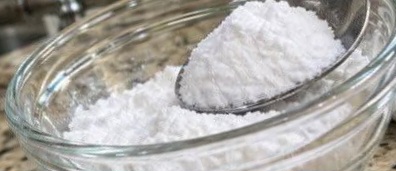
Baking soda is one ingredient frequently promoted online as a way to make the skin look brighter and smoother. However, putting baking soda directly under the eyes is not a good idea. The skin around the eyes is particularly thin and sensitive, and baking soda can be irritating. It can cause dryness, redness, burning, or inflammation, especially when applied repeatedly.
A safer approach is to focus on gentle skin care. Start by washing your face with a mild cleanser and lukewarm water. Avoid rubbing the delicate area beneath the eyes. After cleansing, gently pat the skin dry with a soft towel.
Apply a fragrance-free moisturizer designed for sensitive facial skin. A small amount can be gently applied around the orbital area, taking care not to get the product into the eyes. Keeping the skin moisturized can make fine lines appear less noticeable because dry skin tends to emphasize texture.
Cold compresses can also temporarily reduce the appearance of puffiness. Place a clean, cool damp cloth over closed eyes for several minutes. Do not apply ice directly to the skin because extreme cold can cause irritation or injury.
Getting enough sleep and managing allergies can also make a difference in how the eye area looks. Lack of sleep can make dark circles and puffiness more noticeable, while rubbing the eyes because of allergies can worsen irritation and swelling.
Sun protection is another important part of an anti-aging skin-care routine. Regular exposure to ultraviolet radiation contributes to premature skin aging and can worsen uneven pigmentation. Use a broad-spectrum sunscreen on exposed facial skin and consider sunglasses and a hat when spending time outdoors.
It is also important to understand that under-eye bags have different causes. Genetics, aging, fluid retention, allergies, lack of sleep, and changes in the tissues surrounding the eyes can all contribute. A homemade mixture cannot permanently remove every type of under-eye bag or wrinkle.
If dark circles suddenly become much worse, swelling occurs primarily around one eye, there is significant redness or pain, vision changes develop, or the swelling does not improve, medical evaluation is appropriate.
For people who want a stronger anti-aging routine, dermatologist-recommended ingredients such as moisturizers, sunscreen, and carefully selected topical treatments may provide more predictable results than kitchen remedies. Treatments should be chosen according to skin type and sensitivity, particularly around the eyes.
The idea that baking soda can erase under-eye bags, dark circles, and wrinkles in three hours is an exaggerated claim. There is no reliable evidence that a baking-soda mixture can permanently reverse these changes in such a short time.
Instead of putting baking soda near your eyes, keep the routine simple: gentle cleansing, adequate hydration, moisturizer, sun protection, good sleep, and a cool compress when puffiness appears. These small habits are much kinder to delicate skin and can help the eye area look fresher without exposing it to unnecessary irritation.
Enjoy.