
Introduction
Polish Sausage, known in Poland as Kiełbasa, is one of the most iconic and beloved sausages in European cuisine. Rich, smoky, garlicky, and deeply satisfying, kiełbasa is more than just food — it is tradition, celebration, and family history packed into every bite. From village smokehouses to modern kitchens, this sausage has stood the test of time.
Whether grilled, boiled, smoked, or fried, Polish sausage is a staple at holidays, weddings, street markets, and everyday meals.
History of Polish Sausage (Kiełbasa)
Kiełbasa dates back over 600 years in Poland. The word kiełbasa simply means sausage, but it represents hundreds of regional varieties across the country.
Historically:
Sausage-making was essential for preserving meat before refrigeration.
Families gathered in winter for “świniobicie” (pig slaughter), turning pork into sausages.
Smoking meat with wood (oak, beech, apple) became a signature technique.
Each region developed its own flavor:
Kiełbasa Krakowska – thick and garlicky
Kiełbasa Wiejska – rustic, smoky
Kiełbasa Myśliwska – hunter’s sausage, dried and smoked
Why People Love Polish Sausage (Lovers of Kiełbasa)
❤️
Kiełbasa lovers enjoy it because:
Bold garlic flavor
Smoky aroma
Juicy texture
Versatile cooking methods
Comfort food nostalgia
It’s loved by:
Home cooks
Grill masters
Street food fans
Traditional food lovers
Meat and sausage enthusiasts
Ingredients (Traditional Homemade Kiełbasa)
Main Ingredients
2.5 kg (5.5 lb) pork shoulder (80% lean, 20% fat)
500 g (1.1 lb) pork belly or back fat
5–6 cloves garlic (finely minced)
50 ml cold water or ice water
Seasonings
45 g salt (about 2 tbsp)
2 tsp black pepper
1 tsp marjoram (essential)
1 tsp sugar (optional)
½ tsp allspice (optional)
Casings
Natural pork casings (soaked and cleaned)
Equipment Needed (Formation / Preparation Setup)
Meat grinder
Sausage stuffer
Large mixing bowl
Sharp knife
Smoker or grill (optional)
Kitchen twine
Thermometer
Preparation & Formation Method
Step 1: Meat Preparation
Cut pork and fat into small cubes
Chill meat (very important for texture)
Step 2: Grinding
Grind meat using medium plate
Grind fat separately if possible
Step 3: Seasoning & Mixing
Add salt, garlic, pepper, marjoram, spices
Slowly add cold water
Mix until sticky and well combined
This sticky texture is what binds the sausage.
Stuffing & Formation
Rinse casings thoroughly
Slide casing onto stuffer
Stuff firmly but not too tight
Twist into links (15–20 cm)
Tie ends with twine
Let sausages rest in refrigerator overnight for best flavor.
Cooking Methods (Traditional & Modern)
1. Boiling (Classic Method)
Heat water to 75–80°C (not boiling)
Simmer sausages for 20–25 minutes
Do NOT boil hard (prevents splitting)
2. Smoking (Traditional Polish Way)
Smoke at 60–70°C for 2–3 hours
Use apple, oak, or beech wood
Finish by poaching if needed
3. Grilling
Grill over medium heat
Turn often
Serve with mustard and bread
4. Pan-Frying
Slice or fry whole
Cook until golden brown
Serving Suggestions
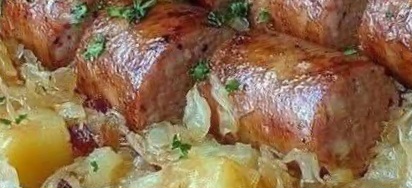
With sauerkraut
With mashed potatoes
In sandwiches
With mustard or horseradish
With rye bread and pickles
Health Benefits (When Eaten in Moderation)
High-quality protein
Rich in B vitamins
Iron and zinc content
Homemade version has no preservatives
You control salt and fat levels
Cultural Importance
Kiełbasa is served during:
Easter (Święconka baskets)
Christmas
Family gatherings
Festivals and markets
It symbolizes hospitality, abundance, and tradition.
Tips for Perfect Kiełbasa
Keep meat cold
Don’t overstuff casings
Use real garlic
Let sausages rest before cooking
Smoke slowly for best flavor
Conclusion
Polish Sausage (Kiełbasa) is not just a recipe — it’s a cultural treasure. From its humble village origins to global popularity, this sausage remains a symbol of Polish culinary pride. Making it at home connects you to centuries of tradition, craftsmanship, and flavor.
Once you make it yourself, store-bought sausage will never feel the same again.
Enjoy.